
How Seasonal Changes Affect Your Hair and Scalp


Understanding Seasonal Changes
As the seasons change, so do the needs of your hair and scalp. Each season brings unique challenges that can affect the health and appearance of your hair. Understanding these changes can help you adapt your hair care routine accordingly.
During the colder months, you might notice your hair becoming dry and brittle. This is often due to a combination of indoor heating and low humidity levels outdoors. Conversely, in the summer, your hair might become oilier as your scalp produces more oil to combat higher temperatures.
Winter Woes: Dryness and Dullness
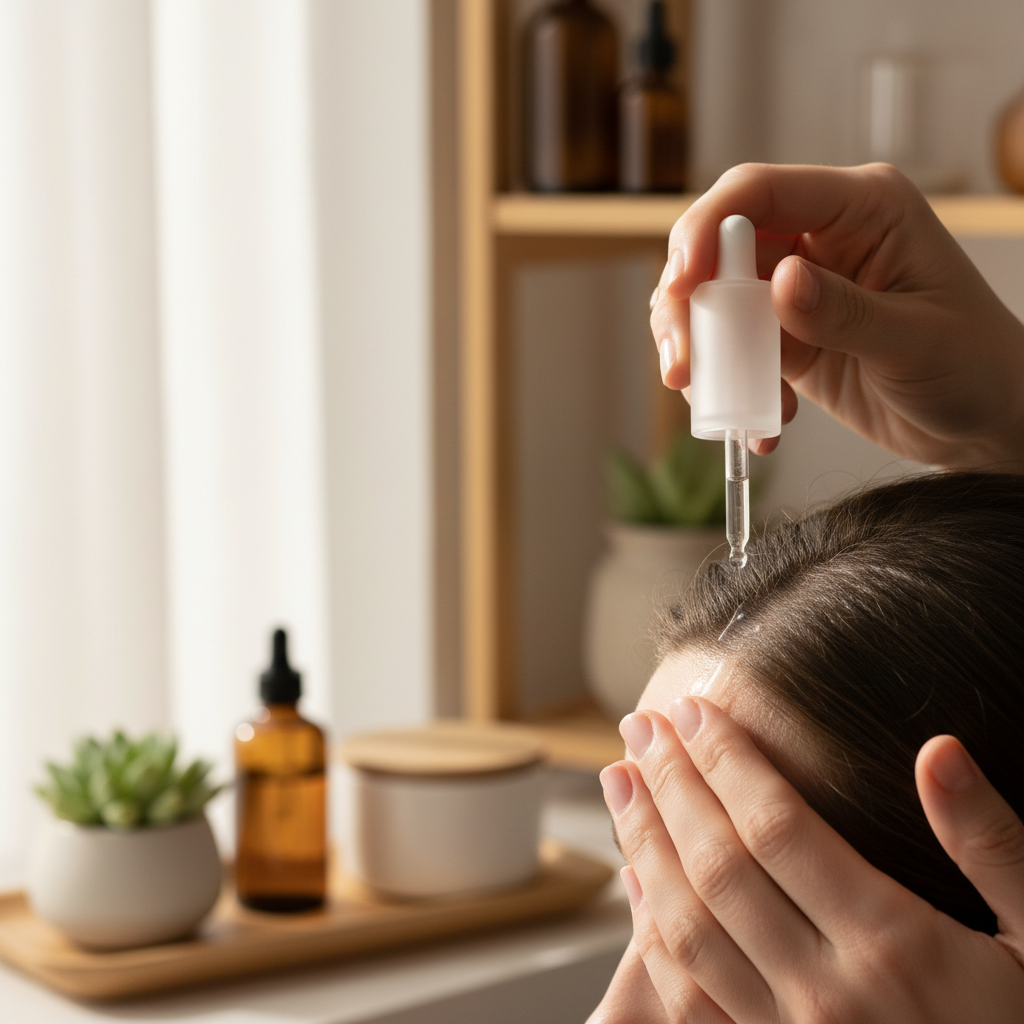
Winter is notorious for causing dryness in both hair and scalp. The cold air and lack of moisture can lead to a flaky scalp and lifeless hair. To combat this, it's essential to incorporate moisturizing products into your routine. Use a hydrating shampoo and conditioner, and consider applying a deep conditioning mask once a week.
Additionally, wearing a hat can protect your hair from harsh cold winds. Just ensure that it's not too tight, as this can lead to breakage. You can also use a humidifier at home to maintain moisture levels in the air, which benefits both your skin and hair.
Spring Renewal: Shedding and Growth
As spring arrives, many people experience increased hair shedding. This is a natural process as your hair cycle resets and new growth begins. Don't be alarmed if you notice more hair in your brush or shower drain; it's a normal part of the hair growth cycle.
Spring is also an excellent time to refresh your hair care routine. Consider trimming away split ends and using lighter hair products to prepare for the upcoming warmer months.
Summer Sunshine: Protection and Hydration
The summer sun can be both a friend and a foe to your hair. While natural sunlight can enhance your hair's color, prolonged exposure can cause damage. Use a leave-in conditioner with UV protection to shield your hair from harmful rays.
Swimming in chlorinated pools or saltwater can also strip your hair of its natural oils. Rinse your hair with fresh water before and after swimming to minimize damage. You might also want to try a clarifying shampoo once a week to remove any build-up from these activities.
Fall Transition: Balancing and Repairing
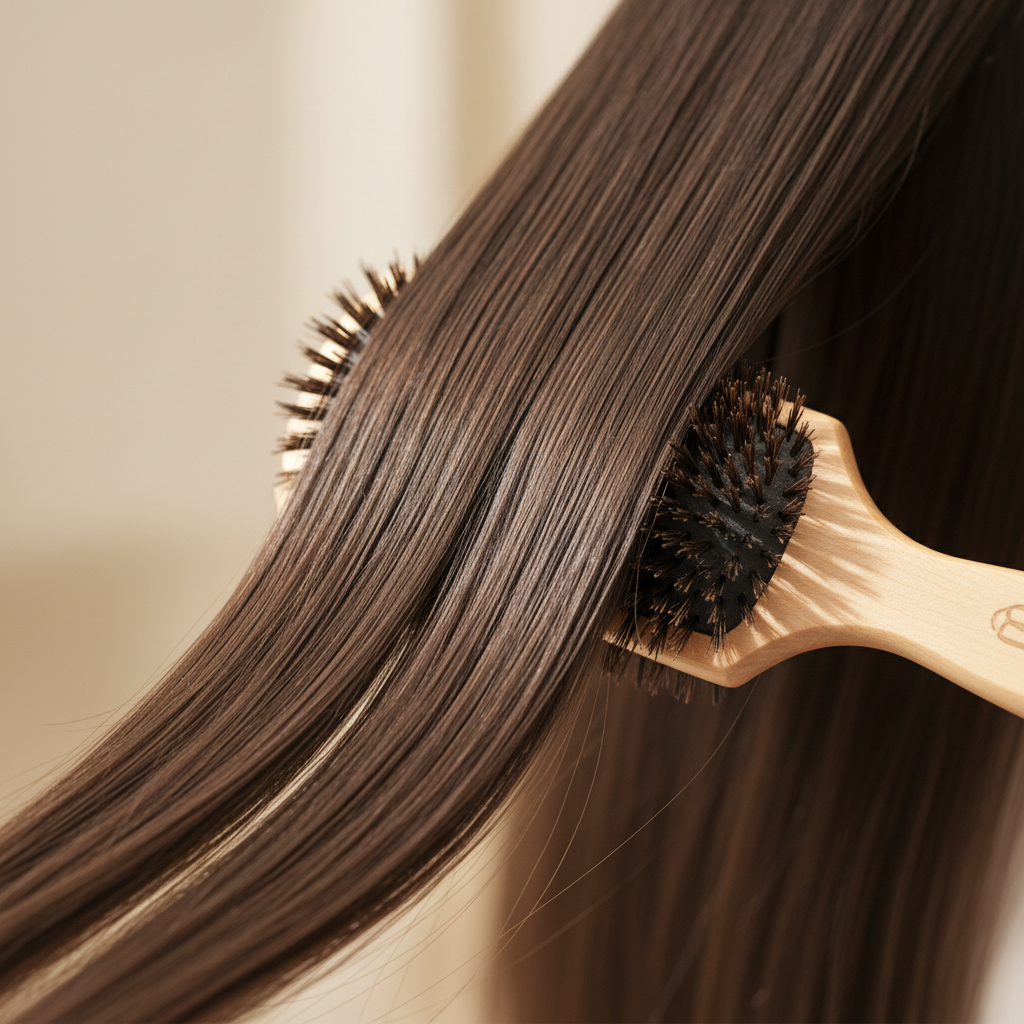
As the leaves change, so should your hair care routine. Fall is a time to repair any damage incurred during the summer and prepare for the colder months ahead. Focus on restoring moisture and strength to your hair with nourishing oils and protein treatments.
It's also a good idea to address any scalp issues, such as dryness or itchiness. Look for shampoos with soothing ingredients like tea tree oil or aloe vera to keep your scalp healthy.
Adapting Your Routine
To keep your hair looking its best year-round, it's vital to adapt your hair care routine to the changing seasons. Here are a few general tips:
- Hydrate: Drink plenty of water and use hydrating products.
- Protect: Use hats and UV protection during extreme weather.
- Nourish: Incorporate oils and deep conditioning treatments regularly.
- Adjust: Tailor your routine to the specific challenges of each season.
By understanding and responding to the seasonal needs of your hair and scalp, you can maintain healthy, vibrant hair all year long.